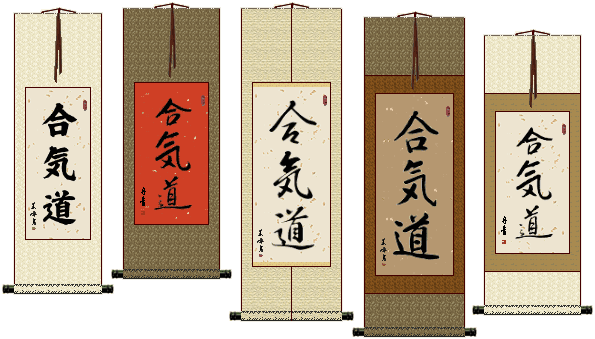
Chinese / Japanese Martial Arts
Calligraphy Wall Scrolls
There are hundreds of martial arts titles to choose for your custom Chinese character or Japanese Kanji wall scroll...
If you own a dojo, dojang, any kind of Asian martial arts studio, or you practice any kind of martial arts, a custom wall scroll will add a touch of class to your walls.
If you don't see the martial-arts title that you're looking for, just contact me and I will add it.
Start by clicking your favorite martial arts title below...
Martial Arts Schools/Styles
Aces Dojo
Aiki Budo
Aiki Jujutsu
Aiki-Jutsu
Aiki-Ken
Aikido
Aikido Yoshinkan
Aikikai
American Kenpo
Asayama Ichiden-Ryu
Ba Gua Zhang
Ba Ji Quan
Bagua Fist
Bagua School
Bajutsu
Black Dragon Ninjitsu
Bojutsu / Bojitsu
Boxing
Budo Kai Jutsu
Budo-Kai
Budokan
Budoshin
Bujinkan
Bujinkan Ninjitsu
Bushi Kai
Bushi-Ryu Jujutsu
Bushidokan
Bushidokan Dojo
Bushindo
Bushinkan
Ch'ang Hon Taekwondo
Changquan / Long Fist
Chaquan / Cha Quan
Chidokan
Chito-Ryu
Choujiao / Chou Jiao
Chowa-Ryu Jujitsu
Choy Li Fut
Chun Ku Do
Chung Do Kwan
Chushin Aikido Dojo
Cuong Nhu
Daido Juku Kudo
Daito-Ryu
Daito-Ryu Aiki-jujutsu
Danketsu Karate-Do
Dragon Crane Tiger
Dragon Fist
Dragon Hall
Drunken Fist
Eagle Claw Overturning Fist
Faith Dojo
Five Ancestors Fist
Five Element Dojo
Five Elements Tai Chi Fist
Friendship Dojo
Fudoshin Association
Fudoshin Kenpo
Fudoshin-Kai
Fudoshin-Ryu
Genseiryu / Gensei-Ryu
Go Kan Ryu
Goju Association
Goju Dojo
Goju Martial Arts
Goju Ryu
Goju Ryu Karate-Do
Goju Shoto-Ryu
Gojukan / Goju-Kan
Gojutsu
Goshin Jutsu
Goshin-Do
Goshin-Kai
Haidong Gumdo
Hakko-Ryu
Hapkido
Hung Gar
Hung Kuen
Iaido
Iaijutsu
Immovable Mind Hall / Fudoshin Dojo
Immovable Mind Way / Fudoshin Way
Iron Fist
Iron Palm
Isshin Academy
Isshin Alliance / Isshin Federation
Isshin Dojo
Isshin Hall / Isshinkan
Isshin Kenpo
Isshin Ryu Karate Do
Isshin-Do
Isshin-Jutsu
Isshin-Kai
Isshin-Ryu / Isshin Style
Itto-Ryu
Iwama Ryu
Japanese Karate Association
Jeet Kune Do
Jinenkan
Jing Mo / Jing Wu
Jissen Kobudo
Jodo
Judo
Jujitsu / Jujutsu
Jukendo
Kakuto Karate
Kanazawa-Ryu
Kanbukan
Kanzen Goju-Ryu
Karate
Karate-Do
Karate-Do Shinyo-Kai
Katori Shinto-ryu
Kempo Karate / Law of the Fist Empty Hand
Ken To Ashi Do
Kendo / The Way of the Sword
Kenjutsu / Kenjitsu
Kenka Karate
Kenpo / Kempo / Quan Fa / Chuan Fa
Kenshin-Kan
Kick-Boxing
Kobudo
Kobukan
Kodokan
Kodokan Aikido
Kodokan Goshin Jutsu
Kodokan Judo
Koryu Bujutsu
Koushinkan / Koshinkan
Krav Maga
Kung Fu / Gong Fu
Kung Fu San Soo / San Shou
Kyodo
Kyokushin
Kyokushin Karate-Do
Kyokushinkai
Kyuki-Do
Kyukodokan
Kyusho Jitsu
Lau Gar Kung Fu
Laughing Dragon Kung Fu
Law of the Fist Karate / Kempo Karate
Lion Heart Kyokushin-Do
Lion Judo
Lion Judo Club
Matsubayashi-Ryu Karate-Do
Matsumura Shorin-Ryu
Meibukan
Meifu Shinkage-Ryu
Mi Guk Kwan
Midori Yama Budokai
Mixed Martial Arts
Mixed Martial Arts / MMA
Mizong-Yi
Monkey Fist
Moo Duk Kwan
Muay Thai
Mugai-Ryu
Mushindo
Muso Jikiden Eishin-Ryu
Neijia Fist
Nihon Jujitsu
Nihon Karate-Do
Ninjutsu / Ninjitsu
Ninpo
Nippon Karate Kyokai
Nippon Karate-Do Genbu-Kai
Nippon Kempo
Nippon Shorin-Ryu
Niten Ichi Ryu
Northern Praying Mantis
Okami Hapkido
Okinawa Goju Ryu Karate-Do
Okinawa Karate
Okinawa Kenpo
Okinawan Goju-Kan
Okinawan Kobudo
Ono-Ha Itto-Ryu
Reibukan
Renbukai
Ryukyu Kempo
Ryukyu Kobujutsu
Saifa
San Soo / San Shou
San Soo Kung Fu
Satori-Ryu
Seichusen
Seido Juku
Seishi-Kan
Seishin Budo
Seishin Budokan
Seishin-Kai / Seishinkai
Seishin-Kan
Seven Emperors Judo
Shaolin
Shaolin Chang Chuan
Shaolin Chuan / Shao Lin Quan
Shaolin Kung Fu
Shaolin Martial Arts
Shidokan
Shidokan (Karate)
Shidokan Karate-Do
Shinden Fudo Ryu
Shinkage-Ryu
Shintaido
Shinto Muso-Ryu
Shinyo-Kai
Shito-Ryu
Shito-Ryu Karate-Do
Shito-Ryu Ki-Me-Kan Karate-Do
Shitokai
Shobayashi Shorin-Ryu
Shobayashi-Ryu
Shobukan
Shorei-Ryu
Shorin Ji Ryu
Shorin-Ryu
Shorin-Ryu Shidokan
Shorin-Ryu Shobukan
Shorinji Kempo / Kenpo
Shoshin Karate Dojo
Shoshin Karate-do Dojo
Shoshin-Ryu
Shotokai
Shotokan
Shotokan Aikido
Shotokan Karate-Do
Shotokan-Ryu
Shudokan
Shugyo-Kan
Shukokai
Shuri-Ryu
Snow Leopard Karate-Do
Songahm Taekwondo
Sorakage Jujutsu
Southern Kingdom Fist
Southern Praying Mantis
Taekwondo
Tai Chi / Tai Ji
Tai Chi Chuan / Tai Ji Quan
Tai Chi Chuan Dao / Tai Ji Quan Dao
Tai Chi Chuan Fa / Tai Ji Quan Fa
Tai Chi Wing Chun Kung Fu
Tai Jutsu
Taido
Taijutsu
Takemusu
Tan Kendo
Tang Hand
Tang Soo Do / Tang Hand Way
Tendo-Ryu
Tenshin Bugei Gakuen
Tenshin Shoden Katori Shinto-ryu
Tenshin-Ryu Heiho
The Eagle Claw School
The Five Animals
Toyama-Ryu
Uechi-Ryu
Uechi-Ryu Karate-Do
Ueshiro Shorin-Ryu / Ueshiro Matsubayashi-Ryu
Wado-Kai
Wado-Kai Aikido
Wado-Ryu
Wado-Ryu Karate
White Crane Fist
White Crane Karate
White Crane Kempo
White Eagle Style
Wing Chun
Wing Chun Fist
Wing Chun Fist Law
Wing Chun Kung Fu
Wrestling
Wu Xing Fist
Wudang Fist
Xing Yi Quan
Yoshin-Ryu
Yoshinkan
Yushinkai
Zen Dojo
Aiki Budo
Aiki Jujutsu
Aiki-Jutsu
Aiki-Ken
Aikido
Aikido Yoshinkan
Aikikai
American Kenpo
Asayama Ichiden-Ryu
Ba Gua Zhang
Ba Ji Quan
Bagua Fist
Bagua School
Bajutsu
Black Dragon Ninjitsu
Bojutsu / Bojitsu
Boxing
Budo Kai Jutsu
Budo-Kai
Budokan
Budoshin
Bujinkan
Bujinkan Ninjitsu
Bushi Kai
Bushi-Ryu Jujutsu
Bushidokan
Bushidokan Dojo
Bushindo
Bushinkan
Ch'ang Hon Taekwondo
Changquan / Long Fist
Chaquan / Cha Quan
Chidokan
Chito-Ryu
Choujiao / Chou Jiao
Chowa-Ryu Jujitsu
Choy Li Fut
Chun Ku Do
Chung Do Kwan
Chushin Aikido Dojo
Cuong Nhu
Daido Juku Kudo
Daito-Ryu
Daito-Ryu Aiki-jujutsu
Danketsu Karate-Do
Dragon Crane Tiger
Dragon Fist
Dragon Hall
Drunken Fist
Eagle Claw Overturning Fist
Faith Dojo
Five Ancestors Fist
Five Element Dojo
Five Elements Tai Chi Fist
Friendship Dojo
Fudoshin Association
Fudoshin Kenpo
Fudoshin-Kai
Fudoshin-Ryu
Genseiryu / Gensei-Ryu
Go Kan Ryu
Goju Association
Goju Dojo
Goju Martial Arts
Goju Ryu
Goju Ryu Karate-Do
Goju Shoto-Ryu
Gojukan / Goju-Kan
Gojutsu
Goshin Jutsu
Goshin-Do
Goshin-Kai
Haidong Gumdo
Hakko-Ryu
Hapkido
Hung Gar
Hung Kuen
Iaido
Iaijutsu
Immovable Mind Hall / Fudoshin Dojo
Immovable Mind Way / Fudoshin Way
Iron Fist
Iron Palm
Isshin Academy
Isshin Alliance / Isshin Federation
Isshin Dojo
Isshin Hall / Isshinkan
Isshin Kenpo
Isshin Ryu Karate Do
Isshin-Do
Isshin-Jutsu
Isshin-Kai
Isshin-Ryu / Isshin Style
Itto-Ryu
Iwama Ryu
Japanese Karate Association
Jeet Kune Do
Jinenkan
Jing Mo / Jing Wu
Jissen Kobudo
Jodo
Judo
Jujitsu / Jujutsu
Jukendo
Kakuto Karate
Kanazawa-Ryu
Kanbukan
Kanzen Goju-Ryu
Karate
Karate-Do
Karate-Do Shinyo-Kai
Katori Shinto-ryu
Kempo Karate / Law of the Fist Empty Hand
Ken To Ashi Do
Kendo / The Way of the Sword
Kenjutsu / Kenjitsu
Kenka Karate
Kenpo / Kempo / Quan Fa / Chuan Fa
Kenshin-Kan
Kick-Boxing
Kobudo
Kobukan
Kodokan
Kodokan Aikido
Kodokan Goshin Jutsu
Kodokan Judo
Koryu Bujutsu
Koushinkan / Koshinkan
Krav Maga
Kung Fu / Gong Fu
Kung Fu San Soo / San Shou
Kyodo
Kyokushin
Kyokushin Karate-Do
Kyokushinkai
Kyuki-Do
Kyukodokan
Kyusho Jitsu
Lau Gar Kung Fu
Laughing Dragon Kung Fu
Law of the Fist Karate / Kempo Karate
Lion Heart Kyokushin-Do
Lion Judo
Lion Judo Club
Matsubayashi-Ryu Karate-Do
Matsumura Shorin-Ryu
Meibukan
Meifu Shinkage-Ryu
Mi Guk Kwan
Midori Yama Budokai
Mixed Martial Arts
Mixed Martial Arts / MMA
Mizong-Yi
Monkey Fist
Moo Duk Kwan
Muay Thai
Mugai-Ryu
Mushindo
Muso Jikiden Eishin-Ryu
Neijia Fist
Nihon Jujitsu
Nihon Karate-Do
Ninjutsu / Ninjitsu
Ninpo
Nippon Karate Kyokai
Nippon Karate-Do Genbu-Kai
Nippon Kempo
Nippon Shorin-Ryu
Niten Ichi Ryu
Northern Praying Mantis
Okami Hapkido
Okinawa Goju Ryu Karate-Do
Okinawa Karate
Okinawa Kenpo
Okinawan Goju-Kan
Okinawan Kobudo
Ono-Ha Itto-Ryu
Reibukan
Renbukai
Ryukyu Kempo
Ryukyu Kobujutsu
Saifa
San Soo / San Shou
San Soo Kung Fu
Satori-Ryu
Seichusen
Seido Juku
Seishi-Kan
Seishin Budo
Seishin Budokan
Seishin-Kai / Seishinkai
Seishin-Kan
Seven Emperors Judo
Shaolin
Shaolin Chang Chuan
Shaolin Chuan / Shao Lin Quan
Shaolin Kung Fu
Shaolin Martial Arts
Shidokan
Shidokan (Karate)
Shidokan Karate-Do
Shinden Fudo Ryu
Shinkage-Ryu
Shintaido
Shinto Muso-Ryu
Shinyo-Kai
Shito-Ryu
Shito-Ryu Karate-Do
Shito-Ryu Ki-Me-Kan Karate-Do
Shitokai
Shobayashi Shorin-Ryu
Shobayashi-Ryu
Shobukan
Shorei-Ryu
Shorin Ji Ryu
Shorin-Ryu
Shorin-Ryu Shidokan
Shorin-Ryu Shobukan
Shorinji Kempo / Kenpo
Shoshin Karate Dojo
Shoshin Karate-do Dojo
Shoshin-Ryu
Shotokai
Shotokan
Shotokan Aikido
Shotokan Karate-Do
Shotokan-Ryu
Shudokan
Shugyo-Kan
Shukokai
Shuri-Ryu
Snow Leopard Karate-Do
Songahm Taekwondo
Sorakage Jujutsu
Southern Kingdom Fist
Southern Praying Mantis
Taekwondo
Tai Chi / Tai Ji
Tai Chi Chuan / Tai Ji Quan
Tai Chi Chuan Dao / Tai Ji Quan Dao
Tai Chi Chuan Fa / Tai Ji Quan Fa
Tai Chi Wing Chun Kung Fu
Tai Jutsu
Taido
Taijutsu
Takemusu
Tan Kendo
Tang Hand
Tang Soo Do / Tang Hand Way
Tendo-Ryu
Tenshin Bugei Gakuen
Tenshin Shoden Katori Shinto-ryu
Tenshin-Ryu Heiho
The Eagle Claw School
The Five Animals
Toyama-Ryu
Uechi-Ryu
Uechi-Ryu Karate-Do
Ueshiro Shorin-Ryu / Ueshiro Matsubayashi-Ryu
Wado-Kai
Wado-Kai Aikido
Wado-Ryu
Wado-Ryu Karate
White Crane Fist
White Crane Karate
White Crane Kempo
White Eagle Style
Wing Chun
Wing Chun Fist
Wing Chun Fist Law
Wing Chun Kung Fu
Wrestling
Wu Xing Fist
Wudang Fist
Xing Yi Quan
Yoshin-Ryu
Yoshinkan
Yushinkai
Zen Dojo
Martial Arts Virtues/Tenets
Ability to Adapt
Achievement / Accomplishment
Ambitious / To Improve Oneself
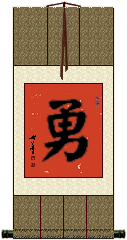
Bravery / Courage
Bushido / The Way of the Samurai
Confidence / Faithful Heart
Control of Power
Determination to Achieve / Will-Power
Devotion / Diligence / Vigorous / Energetic
Devotion / Enthusiasm
Dignity / Honor / Sanctity / Integrity
Diligence
Discipline
Discipline / Training / Tempering Character
Divine Transmission
Dojo Kun
Duty / Responsibility / Obligation
Energy Sword Body in Concert
Fierce and courageous training defeats the strong and protects the body.
Fight for a Goal
Fighting Spirit
Five Codes of Tang Soo Do
Fortitude / Strength of Character
Fundamental Principles of Tai Chi Chuan
Godo / The Hard Way
Heart of Judo
Hiding in the Leaves - Hagakure
Honesty
Honesty / Fidelity
Honor
Immovable Mind
Indomitable / Persistence / Fortitude
Indomitable / Unyielding
Indomitable Courage
Indomitable Spirit
Indomitable Spirit / Indomitable Attitude
Inner Strength
Inner Strength / Self-Improvement
Integrity
Intensity
Justice / Rectitude / Right Decision
Kai Zen / Kaizen
Kajukenbo Slogan
Ki Ken-Tai Icchi
Korean CKD Virtues
Life Energy / Spiritual Energy
Lingering Mind
Loyalty
Loyalty / Devotion
Loyalty / Faithful / Devoted
Loyalty and Respect
Loyalty to Duty or Master
Martial Morality / Martial Arts Ethics / Virtue
Mental Toughness
Mind of the Beginner
Motivation
Mutual Welfare and Benefit
Never Give In / Never Succumb / Never Lose
Never Give Up
Osu No Seishin
Overcome
Patience / Perseverance / To Endure / Tolerant
Patience and Preparation
Perseverance / Fortitude
Perseverance / Will-Power
Physical Strength
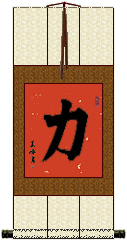
Power / Strength
Power of Understanding and Wisdom
Pride
Progress / Ambition
Resilience / Flexibility
Resiliency
Respect
Respect / Honor / Esteem
Responsibility
Sacrifice / Devotion / Dedication
Sanchin
Seiryoku Zenyo
Self-Confidence
Self-Control
Self-Discipline / Will-Power
Self-Discipline and Martial Virtue
Self-Discipline Martial Arts
Self-Improvement
Self-Reliance
Self-Respect / Self-Esteem
Self-Restraint / Self-Control
Selflessness
Shingitai / Shin Gi Tai
Skill Acquired Through Hard Training
Spirit
Spirit of Taekwondo
Stamina / Tenacity
Strength / Ability
Strength: Strong and Solid
Strong / Healthy
Strong / Powerful
Strong / Powerful / Force
Strong / Robust
Strong and brave
Swift Fierce and Daring
Taekwondo Tenets / Spirit of Taekwon-do
Takemusu Aiki
Tang Soo Do Tenets
Tenacious / Tenacity
Tenacity / Indomitable
The Way of Light
Unyielding Self-Reliance
Warrior Essence / Warrior Spirit / Martial
Warrior’s Path
Well-Disciplined / Orderly
Will-Power / Self-Control
Wing Chun Fist Maxims
Wing Chun Fist Maxims (Part 1)
Wing Chun Fist Maxims (Part 2)
Wisdom
Wu Wei / Without Action
Achievement / Accomplishment
Ambitious / To Improve Oneself
Bravery / Courage
Bushido / The Way of the Samurai
Confidence / Faithful Heart
Control of Power
Determination to Achieve / Will-Power
Devotion / Diligence / Vigorous / Energetic
Devotion / Enthusiasm
Dignity / Honor / Sanctity / Integrity
Diligence
Discipline
Discipline / Training / Tempering Character
Divine Transmission
Dojo Kun
Duty / Responsibility / Obligation
Energy Sword Body in Concert
Fierce and courageous training defeats the strong and protects the body.
Fight for a Goal
Fighting Spirit
Five Codes of Tang Soo Do
Fortitude / Strength of Character
Fundamental Principles of Tai Chi Chuan
Godo / The Hard Way
Heart of Judo
Hiding in the Leaves - Hagakure
Honesty
Honesty / Fidelity
Honor
Immovable Mind
Indomitable / Persistence / Fortitude
Indomitable / Unyielding
Indomitable Courage
Indomitable Spirit
Indomitable Spirit / Indomitable Attitude
Inner Strength
Inner Strength / Self-Improvement
Integrity
Intensity
Justice / Rectitude / Right Decision
Kai Zen / Kaizen
Kajukenbo Slogan
Ki Ken-Tai Icchi
Korean CKD Virtues
Life Energy / Spiritual Energy
Lingering Mind
Loyalty
Loyalty / Devotion
Loyalty / Faithful / Devoted
Loyalty and Respect
Loyalty to Duty or Master
Martial Morality / Martial Arts Ethics / Virtue
Mental Toughness
Mind of the Beginner
Motivation
Mutual Welfare and Benefit
Never Give In / Never Succumb / Never Lose
Never Give Up
Osu No Seishin
Overcome
Patience / Perseverance / To Endure / Tolerant
Patience and Preparation
Perseverance / Fortitude
Perseverance / Will-Power
Physical Strength
Power / Strength
Power of Understanding and Wisdom
Pride
Progress / Ambition
Resilience / Flexibility
Resiliency
Respect
Respect / Honor / Esteem
Responsibility
Sacrifice / Devotion / Dedication
Sanchin
Seiryoku Zenyo
Self-Confidence
Self-Control
Self-Discipline / Will-Power
Self-Discipline and Martial Virtue
Self-Discipline Martial Arts
Self-Improvement
Self-Reliance
Self-Respect / Self-Esteem
Self-Restraint / Self-Control
Selflessness
Shingitai / Shin Gi Tai
Skill Acquired Through Hard Training
Spirit
Spirit of Taekwondo
Stamina / Tenacity
Strength / Ability
Strength: Strong and Solid
Strong / Healthy
Strong / Powerful
Strong / Powerful / Force
Strong / Robust
Strong and brave
Swift Fierce and Daring
Taekwondo Tenets / Spirit of Taekwon-do
Takemusu Aiki
Tang Soo Do Tenets
Tenacious / Tenacity
Tenacity / Indomitable
The Way of Light
Unyielding Self-Reliance
Warrior Essence / Warrior Spirit / Martial
Warrior’s Path
Well-Disciplined / Orderly
Will-Power / Self-Control
Wing Chun Fist Maxims
Wing Chun Fist Maxims (Part 1)
Wing Chun Fist Maxims (Part 2)
Wisdom
Wu Wei / Without Action
Martial Arts Proverbs
1000 good moves ruined by 1 bad
A Deliberate Inaction is Better than a Blind Action
Advance Bravely / Indomitable Spirit
Art of War: 5 Points of Analysis
Be Like Water
Better to sacrifice your life than your principles
Bloodless Victory
Courage to do what is right
Cry in the Dojo - Laugh on the Battlefield
Death Before Dishonor
Determination to Achieve
Do not fear being slow, fear standing still
Do not take action until the time is right
Each Time You Stumble and Fall, You Gain Experience and Wisdom
Even an iron bar can be ground to a needle
Failure is a Stepping Stone to Success
Failure is the Origin of Success
Fall Down Seven Times, Get Up Eight
Fear not long roads; Fear only short ambition
Five Reflections / Gosei
Flexibility Overcomes Strength
Fortune Favors the Bold
Fortune favors the brave
Furinkazan
How can you catch tiger cubs without entering the lair of the tiger?
Hyakuren-Jitoku
Improvise Adapt Overcome
It is better to be a warrior in a garden than a gardener in a war
Karate Ni Sente Nashi
Ken Zen Ichi Nyo
Know Thy Enemy, Know Thyself
Know Your Enemy, Know Yourself, and Win 100 Battles
Know Your Enemy, Know Yourself, and You Cannot Lose
Maintain An Army For 1000 Days, Use It For An Hour
Mind Like Water
No arrogance in victory, No despair in defeat
No Pain No Gain
No Surrender
One Key Opens One Lock
Pain is Weakness Leaving the Body
Perseverance is the Key
Shikin Haramitsu Daikomyo
Soldiers Adapt Actions to the Situation
Solidarity / Working Together as One
Strong bones come from hard knocks
Sun Tzu: Regard Your Soldiers as Children
Tempering Makes Strong Steel
The More We Sweat in Training, The Less We Bleed in Battle
The Spirit of Dragon and Tiger
The Spirit of the Dragon Horse
The Spirit of the Dragon Horse and Power of a Tiger
The Value of Warriors Lies in Their Quality
The Warrior’s Word, Dependable as Gold and Steel
The Way of Learning Has No End
There is always a way out
True Victory is Victory Over Oneself
Undaunted After Repeated Setbacks
Value of Warrior Generals
Warriors Adapt and Overcome
Warriors: Quality Over Quantity
When Three People Gather, Wisdom is Multiplied
You May Learn from Victory, You Will Learn from Failure
A Deliberate Inaction is Better than a Blind Action
Advance Bravely / Indomitable Spirit
Art of War: 5 Points of Analysis
Be Like Water
Better to sacrifice your life than your principles
Bloodless Victory
Courage to do what is right
Cry in the Dojo - Laugh on the Battlefield
Death Before Dishonor
Determination to Achieve
Do not fear being slow, fear standing still
Do not take action until the time is right
Each Time You Stumble and Fall, You Gain Experience and Wisdom
Even an iron bar can be ground to a needle
Failure is a Stepping Stone to Success
Failure is the Origin of Success
Fall Down Seven Times, Get Up Eight
Fear not long roads; Fear only short ambition
Five Reflections / Gosei
Flexibility Overcomes Strength
Fortune Favors the Bold
Fortune favors the brave
Furinkazan
How can you catch tiger cubs without entering the lair of the tiger?
Hyakuren-Jitoku
Improvise Adapt Overcome
It is better to be a warrior in a garden than a gardener in a war
Karate Ni Sente Nashi
Ken Zen Ichi Nyo
Know Thy Enemy, Know Thyself
Know Your Enemy, Know Yourself, and Win 100 Battles
Know Your Enemy, Know Yourself, and You Cannot Lose
Maintain An Army For 1000 Days, Use It For An Hour
Mind Like Water
No arrogance in victory, No despair in defeat
No Pain No Gain
No Surrender
One Key Opens One Lock
Pain is Weakness Leaving the Body
Perseverance is the Key
Shikin Haramitsu Daikomyo
Soldiers Adapt Actions to the Situation
Solidarity / Working Together as One
Strong bones come from hard knocks
Sun Tzu: Regard Your Soldiers as Children
Tempering Makes Strong Steel
The More We Sweat in Training, The Less We Bleed in Battle
The Spirit of Dragon and Tiger
The Spirit of the Dragon Horse
The Spirit of the Dragon Horse and Power of a Tiger
The Value of Warriors Lies in Their Quality
The Warrior’s Word, Dependable as Gold and Steel
The Way of Learning Has No End
There is always a way out
True Victory is Victory Over Oneself
Undaunted After Repeated Setbacks
Value of Warrior Generals
Warriors Adapt and Overcome
Warriors: Quality Over Quantity
When Three People Gather, Wisdom is Multiplied
You May Learn from Victory, You Will Learn from Failure
Martial Arts Techniques/Movements
Battojutsu
Full Contact
Hand-to-Hand Fighting / Grappling
Ikken Hissatsu
Kata
Katsu Hayabi
Knee Strike
Martial Arts Skills
Monkey Stealing Peaches
Pushing Hands / Tui Sau
Samurai Kata
Shaolin Chan
Shiatsu-Do
Shugyo
Full Contact
Hand-to-Hand Fighting / Grappling
Ikken Hissatsu
Kata
Katsu Hayabi
Knee Strike
Martial Arts Skills
Monkey Stealing Peaches
Pushing Hands / Tui Sau
Samurai Kata
Shaolin Chan
Shiatsu-Do
Shugyo
Martial Arts Ranks and Titles
Aiki O'Kami
Art of War
Assassin
Best / Number One
Black Belt
Brave Warrior
Budoka
Bushin / Bujin
Dojo / Martial Arts Studio
Dojocho
Enlightened Warrior
Fatherly Master / Sifu / Shi Fu / Shifu
Fighter
Fighter / Champion
Go-Dan / 5th Degree Black Belt
Guan Gong / Warrior Saint
Guardian / Defender
Heart of a Warrior
Heart of a Warrior / Samurai Heart
Heart of Aikido
Hidden Dragon Crouching Tiger
Ichi-Dan / First Degree
Jackie Chan
Juggernaut
Karateka
Knight
Ku-Dan
Leopard / Panther / Jaguar
Martial Arts
Martial Arts / Budo
Martial Arts / Wushu
Martial Arts Master
Monkey King
Musashi
Nana-Dan / 7th Degree Black Belt
Ni-Dan
Ninja
Noble Warrior
Paladin
Rank Holder
Respected Teacher
Roku-Dan / 6th Degree Black Belt
Ronin / Masterless Samurai
Samurai
San-Dan
Scorpion
Senpai / The Elder or Master
Sensei / Master / Teacher / Mister
Shaolin Disciple
Shichi-Kyu
Shidoin
Shidoshi
Shihan
Shinobi / Ninja Outcast
Sho-Dan
Shogun / Japanese General
Silent Warrior
Soldiers
Soul of a Warrior
Sumo Wrestler
Sun Tzu - Art of War
Sword Saint
Teacher / Master / Old Sage
The Nature of Martial Arts
Uchi-Deshi
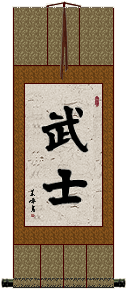
Warrior
Warrior / Fighter
Warrior / Musha
Warrior Saint / Saint of War
Warrior Soul / Heroic Spirit
Warrior Soul / Spirit of a Fighter
Yon-Dan
Art of War
Assassin
Best / Number One
Black Belt
Brave Warrior
Budoka
Bushin / Bujin
Dojo / Martial Arts Studio
Dojocho
Enlightened Warrior
Fatherly Master / Sifu / Shi Fu / Shifu
Fighter
Fighter / Champion
Go-Dan / 5th Degree Black Belt
Guan Gong / Warrior Saint
Guardian / Defender
Heart of a Warrior
Heart of a Warrior / Samurai Heart
Heart of Aikido
Hidden Dragon Crouching Tiger
Ichi-Dan / First Degree
Jackie Chan
Juggernaut
Karateka
Knight
Ku-Dan
Leopard / Panther / Jaguar
Martial Arts
Martial Arts / Budo
Martial Arts / Wushu
Martial Arts Master
Monkey King
Musashi
Nana-Dan / 7th Degree Black Belt
Ni-Dan
Ninja
Noble Warrior
Paladin
Rank Holder
Respected Teacher
Roku-Dan / 6th Degree Black Belt
Ronin / Masterless Samurai
Samurai
San-Dan
Scorpion
Senpai / The Elder or Master
Sensei / Master / Teacher / Mister
Shaolin Disciple
Shichi-Kyu
Shidoin
Shidoshi
Shihan
Shinobi / Ninja Outcast
Sho-Dan
Shogun / Japanese General
Silent Warrior
Soldiers
Soul of a Warrior
Sumo Wrestler
Sun Tzu - Art of War
Sword Saint
Teacher / Master / Old Sage
The Nature of Martial Arts
Uchi-Deshi
Warrior
Warrior / Fighter
Warrior / Musha
Warrior Saint / Saint of War
Warrior Soul / Heroic Spirit
Warrior Soul / Spirit of a Fighter
Yon-Dan
Other Martial Arts Stuff
Adventure
Ba Gua
Banzai
Bo Staff
Bolt of Lightning / Lightning Attack
Bruce Lee
Crouching Tiger Hidden Dragon
Fight / Beat Someone
Fist
Gung Ho
In Flowers the Cherry Blossom, In Men the Samurai
Just Do It
Katana
Kowtow - The deepest bow
Kuoshu / Martial Arts
Life-Saving Sword
Naginata / Halberd
No Fear
Osu / Affirmative
Practice / Train / Drill
Shaolin Temple
Shinken Shobu
Sword
Sword of Death
Tai Chi Ball
Tenshin Dojo
The Book of Five Rings
The Old Way / Old School
Throwing Star
Training / Drill
Welcome to the Dojo
Yin Yang
Ba Gua
Banzai
Bo Staff
Bolt of Lightning / Lightning Attack
Bruce Lee
Crouching Tiger Hidden Dragon
Fight / Beat Someone
Fist
Gung Ho
In Flowers the Cherry Blossom, In Men the Samurai
Just Do It
Katana
Kowtow - The deepest bow
Kuoshu / Martial Arts
Life-Saving Sword
Naginata / Halberd
No Fear
Osu / Affirmative
Practice / Train / Drill
Shaolin Temple
Shinken Shobu
Sword
Sword of Death
Tai Chi Ball
Tenshin Dojo
The Book of Five Rings
The Old Way / Old School
Throwing Star
Training / Drill
Welcome to the Dojo
Yin Yang