Many custom options...


And formats...



Not what you want?
Try other similar-meaning words, fewer words, or just one word.
Dragon Tiger Snake Leopard Crane Panther in Chinese / Japanese...
Buy a Dragon Tiger Snake Leopard Crane Panther calligraphy wall scroll here!
Personalize your custom “Dragon Tiger Snake Leopard Crane Panther” project by clicking the button next to your favorite “Dragon Tiger Snake Leopard Crane Panther” title below...
Switched to secondary search mode due to lack of results using primary.
These secondary results may not be very accurate. Try a different but similar meaning word or phrase for better results. Or...
Look up Dragon Tiger Snake Leopard Crane Panther in my Japanese Kanji & Chinese Character Dictionary(My dictionary is a different system then the calligraphy search you just tried)
If you want a special phrase, word, title, name, or proverb, feel free to contact me, and I will translate your custom calligraphy idea for you.
1. Earth Tiger
5. Water Dragon
6. Water Snake
7. Water Tiger
8. Fire Tiger
9. Wood Dragon
10. Wood Snake
11. Wood Tiger
12. Fire Dragon
13. Fire Snake
14. Earth Dragon
15. Earth Snake
16. Animal Kingdom
17. Blue Dragon / Azure Dragon
18. Black Dragon
20. Black Tiger Fist
21. Blue Dragon
22. Bruce Lee
23. Bushido Dragon
24. Celestial Dragon
25. Water Dragon / Coiled Dragon
26. Crane
28. Every Creature Has A Domain
29. Crouching Tiger Hidden Dragon
31. Dragon Fist
32. The Spirit of the Dragon Horse
33. The Spirit of the Dragon Horse and Power of a Tiger
34. Dragon Lady
36. Dragon and Phoenix Brings Luck
37. The Five Animals
38. Dragon Spirit
39. The Spirit of Dragon and Tiger
40. Dragon Warrior
41. Dragon Ball Kai
43. Dragon Hall
44. Dragon Quest
45. Earth Dragon
46. Fierce Tiger
47. Fire Dragon
48. Fire Snake
49. Fire Tiger
50. Flying Dragon
53. Golden Dragon
54. Green Dragon / Blue Dragon
55. Hidden Dragon Crouching Tiger
59. Home of the Auspicious Golden Dragon
60. Hu
61. Iron Dragon
62. Jin Ji Du Li
63. Kaio-Ken
64. Kirin / Giraffe / Mythical Creature
66. Legendary Turtle
67. Leong
68. Leopard / Panther / Jaguar
69. Little Dragon
70. Lung
71. Nimra
73. Phoenix
74. Red Dragon
75. Red Dragon / Vermillion Dragon
76. Sanchin
77. Shark
78. Shen Long
79. Snow Leopard
82. Spirit Of The Dragon Martial Arts
85. Taotie
86. Celestial Dragon / Tian Long
87. How can you catch tiger cubs without entering the lair of the tiger?
88. Tiger Heart
89. Tiger Rumor
90. Under the Protection of the Dragon Saint
91. Viper
92. Water Dragon / Rain Dragon
93. Water Tiger
Earth Tiger
The Year of the Earth Tiger
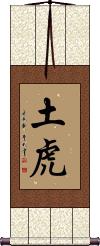
土虎 is Earth Tiger in Chinese.
In the Chinese zodiac and sexagenary (60-year) cycle, this combination occurs in years that include 1878, 1938, 1998, and 2058.
In the sexagenary cycle, this year is represented by 戊寅.
See Also: Tiger
Golden/Metal Dragon
The Year of the Golden/Metal Dragon
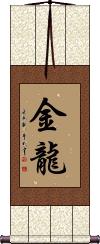
金龍 is Golden/Metal Dragon in Chinese.
In the Chinese zodiac and sexagenary (60-year) cycle, this combination occurs in years that include 1880, 1940, 2000, and 2060.
In the sexagenary cycle, this year is represented by 庚辰.
See Also: Dragon
Golden/Metal Snake
The Year of the Gold Snake
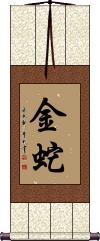
金蛇 is Golden/Metal Snake in Chinese.
In the Chinese zodiac and sexagenary (60-year) cycle, this combination occurs in years that include 1881, 1941, 2001, and 2061.
In the sexagenary cycle, this year is represented by 辛巳.
See Also: Snake
Golden/Metal Tiger
The Year of the Golden/Metal Tiger
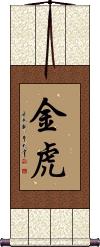
金虎 is Golden/Metal Tiger in Chinese.
In the Chinese zodiac and sexagenary (60-year) cycle, this combination occurs in years that include 1890, 1950, 2010, and 2070.
In the sexagenary cycle, this year is represented by 庚寅.
See Also: Tiger
Water Dragon
The Year of the Water Dragon
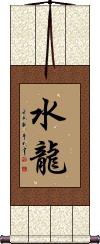
水龍 is Water Dragon in Chinese.
In the Chinese zodiac and sexagenary (60-year) cycle, this combination occurs in years that include 1892, 1952, 2012, and 2072.
In the sexagenary cycle, this year is represented by 壬辰.
See Also: Dragon
Water Snake
The Year of the Water Snake
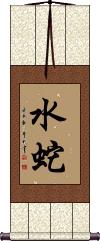
水蛇 is Water Snake in Chinese.
In the Chinese zodiac and sexagenary (60-year) cycle, this combination occurs in years that include 1893, 1953, 2013, and 2073.
In the sexagenary cycle, this year is represented by 癸巳.
See Also: Snake
Water Tiger
The Year of the Water Tiger
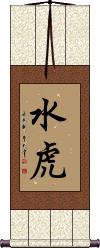
水虎 is Water Tiger in Chinese.
In the Chinese zodiac and sexagenary (60-year) cycle, this combination occurs in years that include 1902, 1962, 2022, and 2082.
In the sexagenary cycle, this year is represented by 壬寅.
See Also: Tiger
Fire Tiger
The Year of the Fire Tiger
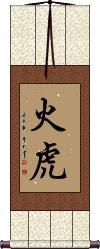
火虎 is Fire Tiger in Chinese.
In the Chinese zodiac and sexagenary (60-year) cycle, this combination occurs in years that include 1866, 1926, 1986, and 2046.
In the sexagenary cycle, this year is represented by 丙寅.
See Also: Tiger
Wood Dragon
The Year of the Wood Dragon
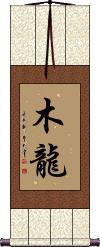
木龍 is Wood Dragon in Chinese.
In the Chinese zodiac and sexagenary (60-year) cycle, this combination occurs in years that include 1904, 1964, 2024, and 2084.
In the sexagenary cycle, this year is represented by 甲辰.
See Also: Dragon
Wood Snake
The Year of the Wood Snake
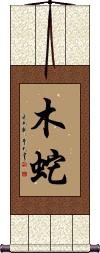
木蛇 is Wood Snake in Chinese.
In the Chinese zodiac and sexagenary (60-year) cycle, this combination occurs in years that include 1905, 1965, 2025, and 2085.
In the sexagenary cycle, this year is represented by 乙巳.
See Also: Snake
Wood Tiger
The Year of the Wood Tiger
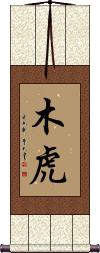
木虎 is Wood Tiger in Chinese.
In the Chinese zodiac and sexagenary (60-year) cycle, this combination occurs in years that include 1914, 1974, 2034, and 2094.
In the sexagenary cycle, this year is represented by 甲寅.
See Also: Tiger
Fire Dragon
The Year of the Fire Dragon
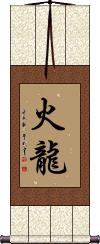
火龍 is Fire Dragon in Chinese.
In the Chinese zodiac and sexagenary (60-year) cycle, this combination occurs in years that include 1916, 1976, 2036, and 2096.
In the sexagenary cycle, this year is represented by 丙辰.
See Also: Dragon
Fire Snake
The Year of the Fire Snake
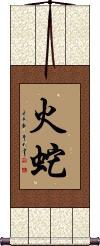
火蛇 is Fire Snake in Chinese.
In the Chinese zodiac and sexagenary (60-year) cycle, this combination occurs in years that include 1917, 1977, 2037, and 2097.
In the sexagenary cycle, this year is represented by 丁巳.
See Also: Snake
Earth Dragon
The Year of the Earth Dragon
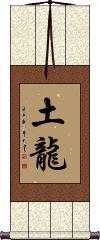
土龍 is Earth Dragon in Chinese.
In the Chinese zodiac and sexagenary (60-year) cycle, this combination occurs in years that include 1868, 1928, 1988, and 2048.
In the sexagenary cycle, this year is represented by 戊辰.
See Also: Dragon
Earth Snake
The Year of the Earth Snake
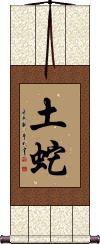
土蛇 is Earth Snake in Chinese.
In the Chinese zodiac and sexagenary (60-year) cycle, this combination occurs in years that include 1869, 1929, 1989, and 2049.
In the sexagenary cycle, this year is represented by 己巳.
See Also: Snake
Animal Kingdom
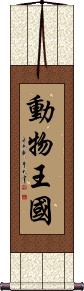
動物王國 is literally what it says.
There is even a TV show in China that is similar to Wild Kingdom or what you would currently see on the Discovery Channel that has this same title.
For your information: In the Chinese way of thinking, the Tiger is the king of the animal kingdom (lions are not native to China, so the tiger took the role that we have given to the lion in our western way of thinking).
The modern Japanese version has a slight variation on the last character (国 instead of 國). Let me know if you want the modern Japanese version (國 would be considered the old or traditional version).
Blue Dragon / Azure Dragon
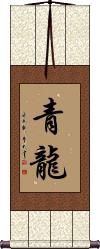
青龍 is a scholarly title for “Blue Dragon” or “Azure Dragon.”
You'll find this title used in ancient Chinese literature and astronomy. This dragon has dominion over the eastern sky or eastern heavens. The Azure Dragon is also noted for representing the spring season. Also seen as an auspicious omen.
Emperor Huizong of the Song Dynasty canonized the five colored dragons as “kings.” The Azure Dragon represents the most compassionate of kings.
In Japanese, this title is known with the same meaning but can also be a given name, Seiryuu or Seiryu.
Note, the first character can be written as  OR
OR  . Same character, just two ways to write it.
Black Dragon
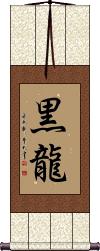
黒龍 is a generic title for “Black Dragon.”
The first character is black color.
The second means dragon.
Sometimes written as 黑龍 (just a minor variation in the first character).
Black Dragon
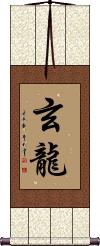
玄龍 is a sophisticated or scholarly way to say “Black Dragon.”
玄龍 is the title you'd expect in ancient Chinese literature.
The first character means black or mysterious.
The second character means dragon.
This black dragon represents a king dwelling in the depths of the mystic waters.
Black Dragon
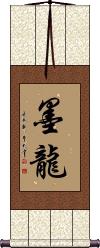
墨龍 is a cool way to say “Black Dragon.”
墨龍 is literally “Ink Dragon.” The ink part is black Chinese ink, the deepest, darkest ink available for thousands of years.
Black Dragon Ninjitsu

This is the Japanese martial arts title Black Dragon Ninjitsu or Black Dragon Ninjutsu in Kanji.
Black Tiger Fist
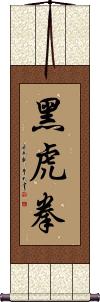
黑虎拳 is Hei Hu Quan or “Black Tiger Fist” - a school of Chinese Martial Arts.
Blue Dragon
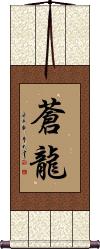
蒼龍 is one of a couple of possible titles for “blue dragon” (occasionally also translated as “green dragon”).
The first character means “deep blue” or “azure.”
The last character is dragon.
Bruce Lee
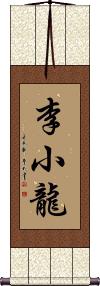
李小龍 is the real full name of Bruce Lee.
 Many people have no idea that Bruce Lee had a “real” Chinese name. In Mandarin and Cantonese, he is known as “Lǐ XiǎoLóng” and “Léi SíuLùng” respectively.
He kept his family name pronunciation (Li = Lee). 李 is a common family name that also means “plum.”
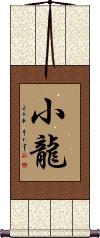
His given name 小龍 (Xiao-Long), literally means “little dragon.” 李小龍 is why you often see the character for dragon associated with Bruce Lee on various posters etc.
For a pronunciation lesson, the “X” in Romanized Mandarin is pronounced like a “sh” sound but with your tongue at the bottom of your mouth. The vowel sound in “Long” is like the English “oh,” not like the “ah” sound in the English word “long.”
If you are a big Bruce Lee fan, you should know this information, and you should have this wall scroll hanging in your room or martial arts studio.
Note: Japanese use these same Chinese characters / Kanji to write Bruce Lee's real name (with different pronunciation - which is a bit like how the name “Bruce Lee” sounds in English).
See Also: Kung Fu | Martial Arts
Bushido Dragon

This is the title Bushido Dragon in Chinese and Japanese Kanji.
In Japanese, this can also be written as 武士道竜.
Celestial Dragon
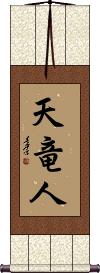
天竜人 is Celestial Dragon or Tenryūbito in Japanese.
This title is associated with the One Piece Manga/Anime series. This title is also translated in this context as “World Nobles” with the literal meaning “Heavenly Dragon Folk” or “Heaven Dragon Person/People.”
Can also be romanized as Tenryūbito, Tenryūhito, or Tenryūjin.
Water Dragon / Coiled Dragon
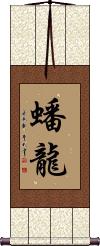
蟠龍 is sometimes seen as a lower-level of dragon or a dragon that has not-yet-reached its potential.
蟠龍 is often defined as a “lake dragon” that has not ascended to heaven.
Another way to put that is a dragon coiled on the earth, which has not yet ascended to the sky.
Crane
Graceful bird of longevity
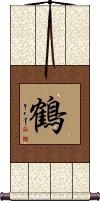
鶴 is a famous bird of China.
Known in China to be a very spiritual creature, the crane is a symbol of both longevity and the journey of the souls and spirits of ancestors.
Note: 鶴 can mean crane or stork in Japanese.
Construction Crane
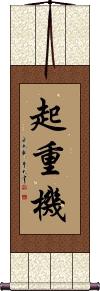
起重機 refers to the huge machine that lifts materials high into the air as crews construct huge buildings.
A customer requested this specifically after some confusion over the bird by the same name.
In an odd twist, while they don't know this name in English sounds like a bird; the building crane is jokingly called “The real national bird of China” because of the accelerated level of construction in Beijing and elsewhere ever since preparations began for the 2008 Olympics. As of 2018, construction has barely slowed.
If you want the type of construction crane that drives down the road, please note that the word is totally different for that kind of “vehicle crane.”
Every Creature Has A Domain
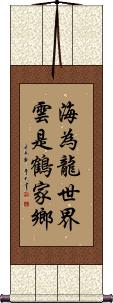
海為龍世界雲是鶴家鄉 is a somewhat poetic way to say that everyone and everything has its place in the world.
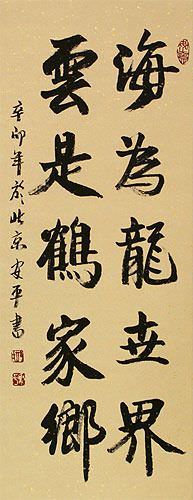 The first line (which is the column on the right) says, “The Ocean is the World of the Dragon.” The next column says, “The Clouds are the Domain of the Cranes.”
The image to the right is what this calligraphy can look like in xing-kaishu style by a Master Calligrapher.
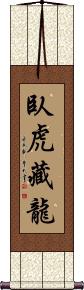
臥虎藏龍 is the movie title of the Kung Fu epic that was very popular in the west a few years back.
This is a re-ordering of an ancient Chinese proverb that refers to undiscovered talents.
The movie was one of the most popular Chinese foreign films to ever debut in the USA but received a lukewarm reception in China.
Note: This can be pronounced in Korean, but it's not a commonly used term.
Dragon / Emperor Symbol
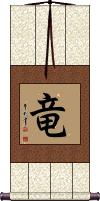
竜 is an alternate form of the dragon.
Still pronounced the same in Chinese, Japanese, and Korean.
This particular Kanji is often associated as an imperial symbol as well as representing the mythical Asian dragon. You may have seen it on the chest or flag of the emperor in old Japanese and Chinese movies.
Note: I would rate this as a non-universal alternate form. The other dragon character is by far more common, and universally understood.
We strongly recommend  if you are looking for the symbol of dragon.
Dragon Fist
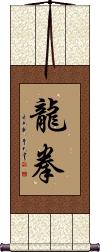
龍拳 is a title that literally means “Dragon Fist.”
The Spirit of the Dragon Horse
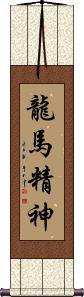
龍馬精神 is an old proverb that is used to wish someone good health and success combined as a great compliment.
The meaning is “The vigor and spirit of the legendary dragon-horse.” These four characters are often accompanied by four more which mean “...and the power and prestige of the tiger.” Here we are just offering the first part which is considered the short version.
By giving a wall scroll like this to someone, you were either wishing or telling them that they have an amazing quality. There is also a suggestion of good health - at least anyone with the vigor of a dragon horse would seem to also be in good health.
Note: In Japanese, this would be read as the spirit of 坂本龍馬 (Sakamoto_Ryōma), a beloved rebel who help abolish the old Japanese feudal system. This can be confusing, so I am declaring this proverb to be Chinese only.
The Spirit of the Dragon Horse and Power of a Tiger
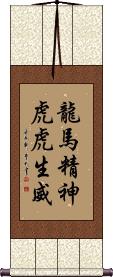
龍馬精神虎虎生威 is an old proverb that is used to wish someone great health and success combined as a great compliment.
The meaning is “The vigor and spirit of the legendary dragon-horse and the power and prestige of the tiger.”
By giving a wall scroll like this to someone, you were either wishing or telling them that they have these qualities. There is also a suggestion of good health - at least anyone with the vigor of a dragon horse would seem to also be in good health.
Dragon Lady
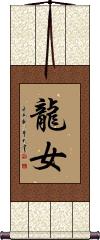
龍女 is literally “Dragon Lady” or “Dragon Woman.”
Dragon and Phoenix
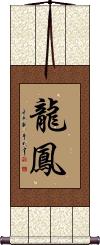
龍鳳 is the simplest way to express “Dragon and Phoenix” in Chinese and Japanese.
This title can be used to represent, “The emperor and empress,” or a metaphor for an outstanding personage.
It should be noted that this is most often used as a given name, “Ryuuhou” in Japanese. It may be read more as a name than by meaning in Japanese.
Dragon and Phoenix Brings Luck
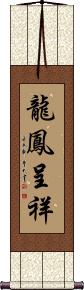
龍鳳呈祥 is often seen at weddings and other celebrations in China.
It suggests that the dragon and phoenix will bring you auspicious tidings.
The first character is a dragon.
The second is a phoenix.
The third is presents or brings.
And the last means auspicious, propitious, or luck.
Throughout China, the dragon and phoenix are symbols of good fortune. You will see these auspicious figures as decorative symbols on everything from buildings, furniture, wedding costumes, and sculptures in public parks to caskets and items used in ceremonies.
The Five Animals
Dragon Snake Tiger Leopard Crane
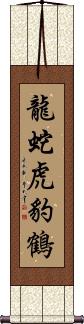
龍蛇虎豹鶴 is a list of the Chinese characters for the five animals of Shaolin Kung Fu in a comfortable order (meaning that they are in the proper order and will “feel right” to a Chinese person who views this arrangement).
Dragon Spirit
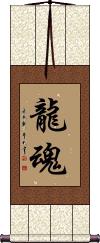
龍魂 means “Dragon Spirit” or “Dragon Ghost.”
Dragon Spirit
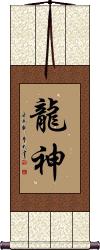
龍神 is a Chinese, Japanese Kanji, and old Korean Hanja title that can mean “dragon god,” “dragon king,” or “dragon spirit.”
In the context of Buddhism, this is one of eight kinds of spiritual beings found in Mahāyāna texts.
The Spirit of Dragon and Tiger
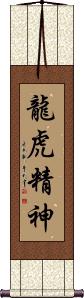
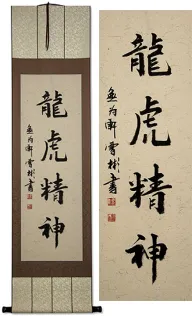
龍虎精神 means the spirit of the dragon and tiger.
It speaks to the vitality and vigor that is the nature of these two creatures.
Beyond “spirit,” the last two characters can also mean mind, soul, or heart. Therefore, you can also say this means “Heart of the Dragon and Tiger,” etc.
龍虎精神 is often titled “Ryukoseishin” in many Japanese martial arts.
Dragon Warrior
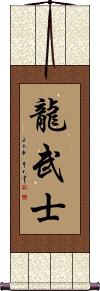
龍武士 is a generic title for “Dragon Warrior.”
Just as in English, it's a bit ambiguous. It can mean one who fights against dragons or the title of a warrior himself (imagine a warrior with a dragon symbol on his chest).
Dragon Warrior
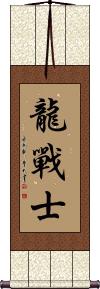
龍戰士 is another version of “Dragon Warrior.”
It's still a bit ambiguous. This one reads more like “Dragon Fighter” than “Dragon Warrior.” Perhaps you can also translate this one as “One who fights like a dragon.”
Dragon Warrior
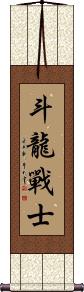
斗龍戰士 or “Dragon Warrior” is specifically one who fights against dragons.
This can also be read as “Dragon Fighter.”
Dragon Ball Kai
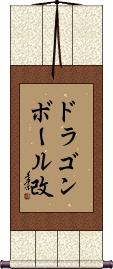
ドラゴンボール改 is the name for Doragon Bōru Kai (Dragon Ball Revised), a high-definition remastered and recut of the original Dragon Ball Z, released on the 20th anniversary.
Note: Because this selection contains some special Japanese Katakana characters, it should be written by a Japanese calligrapher.
Dragon Crane Tiger
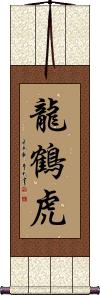
龍鶴虎 is Dragon Crane Tiger in Chinese.
Dragon Hall

龍館 can be translated as “dragon hall” or “dragon school”.
Through history, and depending on context, 館 has a lot of possible meanings such as building, shop, embassy, consulate, schoolroom, mansion, palace, manor house, castle, small fortress, or official residence (of a government official).
Dragon Quest
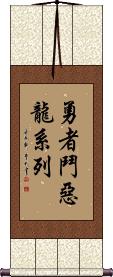
This is the title of the Nintendo Dragon Quest series/game in Chinese.
Earth Dragon
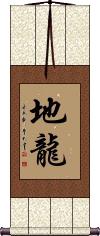
地龍 is the Earth Dragon, king of rivers and seas.
地龍 is sometimes used in Chinese as a nickname for earthworms.
Fierce Tiger
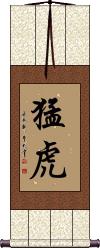
猛虎 means “fierce tiger” or “ferocious tiger” in Chinese, Japanese Kanji, and old Korean Hanja.
Fire Dragon
火龍 is how to write “Fire Dragon” in Chinese and Japanese Kanji.
This title is used more often in Chinese, a little lesser known in Japanese.
Fire Snake
火蛇 is the Chinese and Japanese title for “fire snake” or “blazing serpent.”
Fire Tiger
火虎 is the Chinese and Japanese title for “fire tiger.”
If you were born between 9 Feb 1986 and 28 Jan 1987, or between 13 Feb 1926 and 1 Feb 1927, you are a fire tiger according to the Chinese Zodiac.
There are 12 animals and 5 elements in the cycle. Therefore, the fire tiger comes around once every 60 years. The next will be in 2046.
The branch of the zodiac for tiger is written 寅 when dating ancient documents and artwork, but 虎 is the way to write the character for an actual tiger.
Flying Dragon
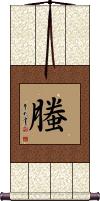
Flying Tigers AVG
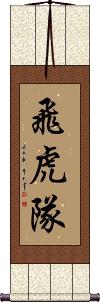
飛虎隊 is the full Chinese title of the “Flying Tigers Group.”
These were the American pilots that volunteered to go to China and fight the Japanese before the entry of the USA into World War Two. These fighter pilots were so esteemed in China that fallen American pilots could always find refuge in villages and safe passage and escape to areas of China that were not occupied by Japan at that time. Chinese villagers helped such fallen pilots with full knowledge that when the Japanese occupation forces found out, all the men, women, and children in the village would be massacred by Japanese troops (there are more than a few known cases of such massacres).
The Flying Tigers successfully kept supply lines to the Chinese resistance open and divided Japanese forces at a crucial time while America prepared to join WWII officially.
A wall scroll like this honors the men who risked or gave their lives as noble volunteers and is a reminder of the best moment in the history of Sino-American relations.
These three characters literally mean “flying tiger(s) group/team/squad.”
Note: Hanging these characters on your wall will not make you any friends with Japanese people who are aware or this history (most Japanese have no idea, as Japan’s involvement in WWII has all but been erased from school textbooks in Japan).
Flying Dragon Karate-Do
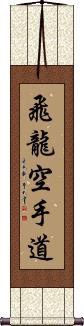
飛龍空手道 is the title Flying Dragon Karate-Do.
Golden Dragon
金龍 is the Chinese title for Golden Dragon.
The first character means gold, golden, or metal.
The second character is dragon.
This title has the same meaning in Japanese but is used mainly as a given name, Kinryu, or in reference to a certain kind of noodle soup in Japan.
Green Dragon / Blue Dragon
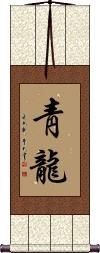
靑龍 is a title that can mean blue or green dragon.
The first character can mean blue, green, azure, or celadon.
The second character means dragon.
This is mostly a Chinese title (especially in Buddhism). It will be understood but less commonly used in Japanese and Korean.
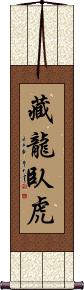
The meaning of 藏龍臥虎 is that both the tiger and dragon have amazing talents, but if they are out of view, you may not have discovered them.
This old Chinese idiom/proverb is appropriate for someone with an amazing ability that keeps that ability hidden.
You might think this title is in reverse, but actually, this is the original Chinese proverb.
The movie Crouching Tiger, Hidden Dragon, popularized this alternate version.
Flying Dragon Horse
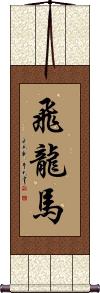
飛龍馬 is the title for a “flying dragon-horse.”
This can refer to a mythical beast or, more realistically, a very fast horse at the track.
Home of the Black Dragon
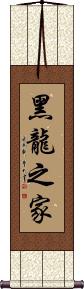
黑龍之家 was added by special request of a customer. This phase is natural in Chinese, but it is not a common or ancient title.
The first character is black.
The second is dragon.
The third is a possessive modifier (like making “dragon” into “dragon's”).
The fourth character means home (but in some context can mean “family” - however, here it would generally be understood as “home”).
Home of the Dragon
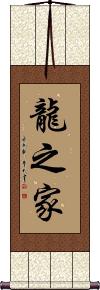
Added by special request of a customer. This phase is natural in Chinese, but it is not a common or ancient title.
The first character is dragon.
The second is a possessive modifier (like making “dragon” into “dragon's”).
The third character means home (but in some context can mean “family” - however, here, it would generally be understood as “home”).
Home of the Auspicious Golden Dragon
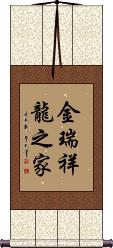
This 金瑞祥龍之家 or “home golden auspicious dragon” title was added by special request of a customer.
The first character means gold or golden.
The second and third characters hold the meaning of auspiciousness and good luck.
The fourth character is dragon.
The fifth is a possessive modifier (like making “dragon” into “dragon's”).
The last character means home (but in some context can mean “family” - however, here it would generally be understood as “home”).
Note: The word order is different than the English title because of grammar differences between English and Chinese. This phrase sounds very natural in Chinese in this character order. If written in the English word order, it would sound very strange and lose its impact in Chinese.
Note: Korean pronunciation is included above, but this has not been reviewed by a Korean translator.

胡 is a common Chinese surname with ancient origins, often linked to noble lineages (like Duke Hu of Chen, a descendant of Emperor Shun), or the ancient State of Hu.
Other rare surnames such as 虎 (tiger), and 黃 or 許 romanize as Hu in some dialects.
Iron Dragon
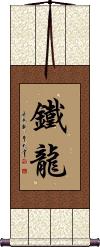
鐵龍 is the title Iron Dragon in Chinese.
Jin Ji Du Li
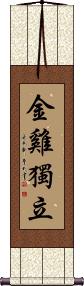
金雞獨立 or “Jin Ji Du Li,” means “golden rooster stands on one leg.”
This is also called “crane stance” in English. This is used in wushu, karate, and other forms of martial arts.
This can be pronounced, “kinkei dokuritsu” in Japanese but it's rarely a title used in Japanese.
Kaio-Ken
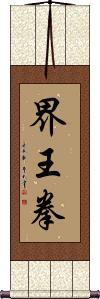
界王拳 is the name Kaioken in Japanese. The meaning is World King Fist. This title is associated with Dragon Ball Z.
This can be pronounced in Chinese, but would only be recognized by Chinese fans of Dragon Ball Z.
Kaio-Ken
This is Kaiōken in Japanese.
界 = Community, circles, world, border, or boundary.
王 = King
拳 = Fist
Often translated as World Lord Fist, Fist of the World King, Kamajamaja (Norwegian), and Leptonski Udarac (Slovenian).
Associated with Goku's attack technique in Dragon Ball Z.
Kirin / Giraffe / Mythical Creature
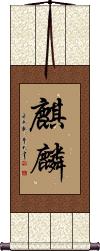
麒麟 is the title of a mythical beast of Asia.
The animal is thought to be related to the giraffe, and in some ways, it is a giraffe. However, it is often depicted with the horns of a dragon or deer and sometimes with the body like a horse, but many variations exist.
In Japanese, it is pronounced “Kirin” as in “Kirin Ichiban” beer.
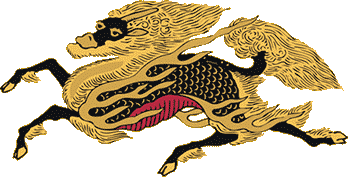
Notes:
1. This is sometimes spelled as “kylin.”
2. In Japanese, this is the only Kanji word for giraffe. Therefore in Japan, this word needs context to know whether you are talking about the mythical creature or the long-necked giraffe of Africa.
3. Apparently, this was the first word used for regular giraffes in China (some were brought from Africa to China during the Ming Dynasty - probably around the year 1400). Though the mythical creature may have existed before, the name “qilin” was given to the “new giraffe.” This is because, more than 600 years ago, giraffes somewhat matched the mythical creature's description when Chinese people saw them for the first time. Later, to avoid such an ambiguous title, a three-character word was devised to mean a “giraffe of Africa.” The characters for “qilin” shown here are only for the mythological version in modern Chinese.
4. More information about the qilin / kirin from Wikipedia.
5. This creature is sometimes translated as the “Chinese Unicorn,” although it is generally portrayed with two horns. I think this is done more for the fantasy aspect of the unicorn and because most westerners don't know what a qilin or kirin is (this avoids a long explanation by the translator).
6. In Korean, this can mean kirin or simply giraffe (usually, the mythological creature is what they would think of when seeing these characters alone on a wall scroll).
Laughing Dragon Kung Fu
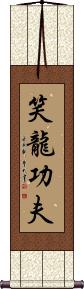
笑龍功夫 is the title for a Martial Arts studio (custom-made at by request of the owner of the studio).
Legendary Turtle
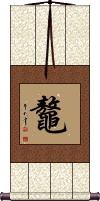
鼇 means “legendary turtle” in Chinese. 鼇 is a great mythological turtle that travels the seas. The creature is comparable to the dragon of China, however, it so happens that dragons became a bit more famous as history progressed. In modern Chinese, this character can just refer to a large sea turtle.
Note: 鼇 can be pronounced in Korean but this is a very rare Korean Hanja form - it hasn't been used in Korea for at least a few hundred years (even before they switched to Hangul characters).
Leong

梁 is the Cantonese and Hokkien surname Leong, meaning beam or bridge.
Other surname characters such as 龍 (dragon) and 連 (to link or connect) can also romanize as Leong.
Leopard / Panther / Jaguar
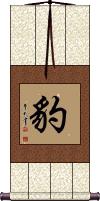
豹 is the Chinese and Japanese word for the big cat known as a leopard, panther, or Jaguar.
This can refer to most cats of the Panthera genus as well as the Puma genus (but this is not used for most kinds of lions, except smaller ones like the mountain lion).
Because Jaguars are not native to Asia, the characters for “American continent” is usually added before this character to specifically designate a Jaguar.
This also kind of means Panther or Leopard in Korean Hanja but in modern Korean, they add a Hangul character to complete the word.
Little Dragon
Lung
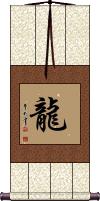
龍 is the name Lung in Chinese (Mandarin).
This is actually the character for dragon.
Nimra
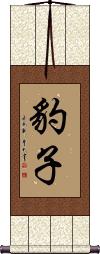
豹子 is the meaning of Nimra which means leopard.
Legendary Phoenix
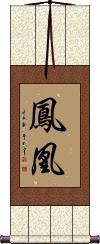
鳳凰 is the word that translates as “Legendary Phoenix” in Chinese.
This refers to the bird that, according to Chinese folklore, rose from the fiery ashes.
The phoenix and dragon are by far the most famous creatures in Chinese mythology.
Phoenix (male)
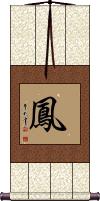
鳳 is the simplest way to write “Phoenix” in Chinese. Because the dragon is usually expressed as a single character, when you see “dragon and phoenix” written in Chinese, you'll often see this single-character version.
Please note, this is also the male element of a phoenix, so it also means “male phoenix bird.” However, some Chinese people may argue that the phoenix has a female characteristic, regardless of which character you use.
Phoenix (female)
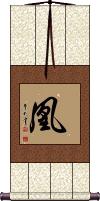
凰 is another simple way to write “Phoenix” in Chinese. 凰 is the specifically female element of a phoenix, so this is how you write “female phoenix.” 凰 is sometimes used to represent the female empress (many times in history, China was ruled by a woman, in much the same way queens came to power in Europe).
Note that the emperor is always represented as a dragon (not the male version of a phoenix).
If you see yourself as a strong woman, this might be a calligraphy scroll for you to express “woman power” or “powerful woman” in a cool way.
Red Dragon
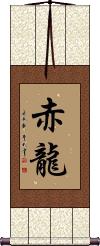
赤龍 is a generic title for “Red Dragon.”
The first character can mean red, crimson, or scarlet.
The second character is dragon.
Red Dragon / Vermillion Dragon
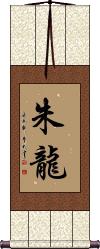
朱龍 is a sophisticated or scholarly way to say “Red Dragon.” 朱龍 is the title you'd expect in ancient Chinese literature.
The first character means red, cinnabar, or vermillion.
The second character means dragon.
It is said that the Vermillion Dragon represents kings that bestow blessings on lakes or bodies of water. This makes more sense in an ancient Chinese context.
Sanchin
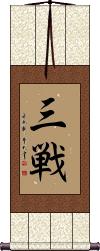
三戦 is a title that literally means “three battles/conflicts/wars.”
三戦 is often figuratively used to relay the idea of a battle to unify the mind, body, and spirit.
Original usage likely comes from Fujian province in Southern China (just across from Taiwan).
This title is used in various schools such as Okinawan Karate, Uechi-Ryū, Gōjū-Ryū, Fujian White Crane, and Five Ancestors among others.
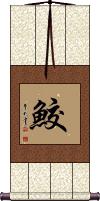
鮫 means shark in Japanese in a single Kanji. 鮫 is often used in Japanese along with a Kanji adjective. This would be the base Kanji for titles like “Tiger Shark,” “Hammerhead Shark,” “Thresher Shark,” etc.
This character can be pronounced in Chinese but is only used in combination with other characters to create shark-related titles. This Kanji is best if your audience is Japanese.
Shen Long
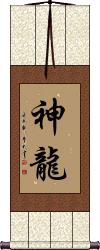
神龍 or Shen Long literally means “god dragon” or “divine dragon.”
神龍 is a spiritual dragon from Chinese mythology that controls wind, storms, clouds, and rain. Historically, farmers in China avoid offending this dragon, as it could result in a drought or flooding of their fields.
Shen Long has blue/azure scales and appears on the beautiful robes of some Chinese emperors.
Sometimes romanized as Shen Lung and sometimes written as 神竜 in Japan with the pronunciation of Shinryū or Shenron. It can also be a given name in Japan.
Snow Leopard
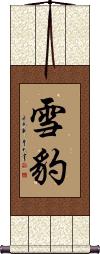
雪豹 is the title for snow leopard (Latin classification: “Panthera uncia” or “Uncia uncia”) in Chinese and Japanese.
Snow Leopard Karate-Do
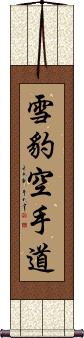
雪豹空手道 is the Japanese (and Chinese) title for Snow Leopard Karate-Do.
Southern Praying Mantis
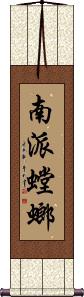
南派螳螂 can be translated literally as “Southern School Praying Mantis” or “Southern Style Praying Mantis.”
Despite its name, the Southern Praying Mantis style of Chinese martial arts is unrelated to the Northern Praying Mantis style. Southern Praying Mantis is instead related most closely to fellow Hakka styles such as Dragon and more distantly to the Fujian family of styles that includes Fujian White Crane, Five Ancestors, and Wing Chun.
This style of martial arts focuses more on fighting skills rather than aesthetics.
Of course, you already knew that if you were looking for this term.
Note: This title can be pronounced and does have meaning in Korean but only to Koreans familiar with Chinese martial arts.
Spirit Of The Dragon Martial Arts
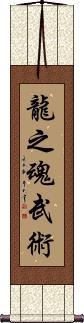
龍之魂武術 is the title Spirit Of The Dragon Martial Arts in Chinese.
This can also be translated as “Dragon Soul Martial Arts.”
Sun Wukong / Son Goku
Monkey King
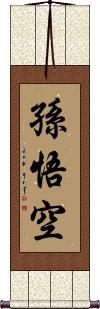
孫悟空 is the name Sun Wukong, also known as the Monkey King. He is the main character with supernatural powers in the ancient Chinese novel Journey to the West.
This title is also known as the real name of the Monkey King in Japanese. This can also be the Son Goku, better known as simply Goku, a fictional character of the Dragon Ball Japanese manga series.
Swan / White Crane
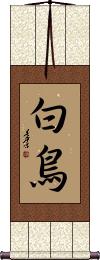
白鳥 is the Japanese Kanji and old Korean Hanja title for white swan (Cygnus Bechstein).
The title literally means white-feathered bird. This title can also be used to refer to a white crane.
This can also be the Japanese surname, Hakuchou.
Taotie

In ancient China, 饕餮 was a ferocious mythological animal and the fifth son of the dragon king.
饕餮 can also refer to a zoomorphic mask motif found on Shang and Zhou ritual bronzes.
As an adjective, this can mean gluttonous, sumptuous (banquet), covetousness, greed, avarice, or intense desire.
Celestial Dragon / Tian Long
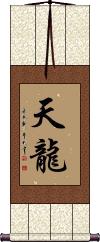
天龍 can mean Heavenly Dragon (Dragon of Heaven), Sky Dragon, Holy Dragon, Celestial Dragon, or Divine Dragon.
This can be a given name in both China and Japan (天龍 is pronounced Tenryū and sometimes written 天竜 in Japanese).
In an older Buddhist context, this can refer to Brahma, Indra, and the devas, together with the nāgas. It can also refer to celestials and snake spirits.
How can you catch tiger cubs without entering the lair of the tiger?
Nothing ventured, nothing gained
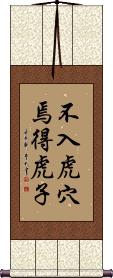
While perhaps no longer politically correct, this Chinese proverb is a reminder that you must take risks if you want rewards.
不入虎穴焉得虎子 is similar to the English proverb, “Nothing ventured, nothing gained.”
The literal word order of the Chinese is, “If (you) don't enter the tiger's lair/cave, how can (you) get/obtain tiger cubs?.”
How can you catch tiger cubs without entering the lair of the tiger?
Nothing ventured, nothing gained
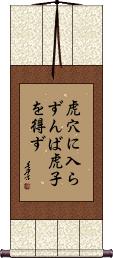
虎穴に入らずんば虎子を得ず is the Japanese version of an ancient Chinese proverb. 虎穴に入らずんば虎子を得ず is a reminder that you must take risks if you want the reward.
虎穴に入らずんば虎子を得ず is similar to the English proverb, “Nothing ventured, nothing gained.”
Note: Because this selection contains some special Japanese Hiragana characters, it should be written by a Japanese calligrapher.
Tiger Heart
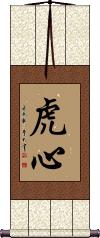
虎心 is “Tiger Heart” in Chinese and Japanese.
This can be a name and is also a rare and exotic gourmet dish served on occasion in southern China.
Tiger Rumor
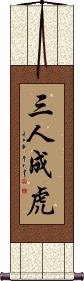
These four characters together relay the meaning that can be expressed in English as “When three people say there's a tiger running in the street, you believe it.”
Of course, there is an ancient story behind this idiom...
三人成虎 is actually a proverb that resulted from a conversation that occurred around 300 B.C.
The conversation was between the king of the Wei kingdom and one of the king's ministers named Pang Cong.
It was near the end of one of many wars, this time with the Zhao kingdom. Pang Cong was to be sent by the king to the Zhao kingdom with the king's son, who was to be held hostage. It was common at the time for a king to make his son a hostage to secure stable peace between warring kingdoms.
Before minister Pang Cong departed, he asked his king, “If one person told you a tiger was running in the street, would you believe it?.”
“No,” the king said.
The minister continued, “What if two people told you?”
The king replied, “Well, I would have my doubts but I might believe it.”
The minister continued, “So, what if three people told you that a tiger is running in the streets?”
The king replied, “Yes, I would believe it. It must be true if three people say it.”
The minister then reminded the king, “Your son and I are now traveling far away to live in the distant Zhao kingdom - much farther from your palace than the street. Rumors may fly about me in my absence, so I hope your majesty will weight such rumors appropriately.”
The king replied, “I have every trust in you, do not worry”
While the minister was gone, the king's enemies gossiped about minister Pang Cong on many occasions. At first, the king thought nothing of these comments and rumors. But slowly, as the rumors mounted, the king began to suspect ill of his minister.
Sometime later, when peace was well-established, the minister and prince were freed and returned to the kingdom of Wei. The king received his son BUT DID NOT EVEN SUMMON MINISTER PANG CONG TO THE PALACE!
Hopefully, this story will help you see how dangerous words can be when used to promote rumors or create ill will. And perhaps will inspire you not to believe everything you hear.
There is also a secondary suggestion in this idiom that gossip is as ferocious as a tiger. Some Chinese people who don't know the ancient story above may believe that this scroll means that rumors are as vicious as three tigers.
Note: This proverb appears in my Korean dictionary but is not well-known in Korea.
Under the Protection of the Dragon Saint
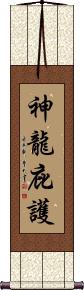
神龍庇護 is not the most common thing to say in Chinese, but it is grammatically correct and a cool title.
The first character means “supernatural or saintly.” The second is “dragon.” The last two mean protection. You could also translate this as something like “Protected by the Dragon God” or more closely “Holy Dragon.”
Viper
Poisonous Snake
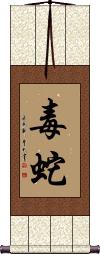
毒蛇 is the Chinese, Japanese Kanji, and old Korean Hanja for viper.
While 毒蛇 usually means viper, it may be used by some to refer to any poisonous snake or poisonous serpent.
Water Dragon / Rain Dragon
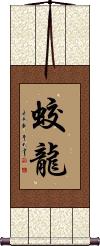
蛟龍 is the title for the water dragon is the hornless or scaled dragon. 蛟龍 is the king of all aquatic animals with the ability to control rain and floods.
In Japanese, the rain dragon can represent hidden genius. This dragon's domain is the deep murky water, thus with hidden potential. This can also be the Japanese given name Kouryuu.
Water Tiger
水虎 means “water tiger” in Chinese and Japanese.
This in-stock artwork might be what you are looking for, and ships right away...

Gallery Price: $67.00
Your Price: $36.88
Gallery Price: $200.00
Your Price: $99.88
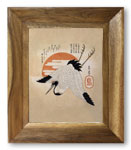

Gallery Price: $120.00
Your Price: $79.88

Gallery Price: $120.00
Your Price: $79.88
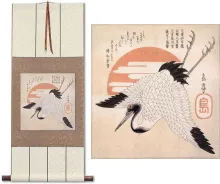
Gallery Price: $96.00
Your Price: $52.88

Gallery Price: $120.00
Your Price: $79.88

Gallery Price: $96.00
Your Price: $52.88
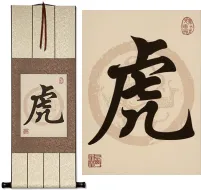
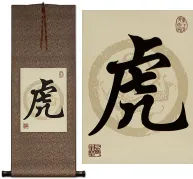

Gallery Price: $40.00
Your Price: $16.88
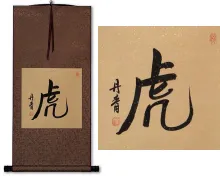
Gallery Price: $65.00
Your Price: $39.88
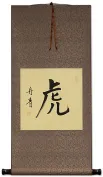
Gallery Price: $65.00
Your Price: $39.88

Gallery Price: $106.00
Your Price: $58.88

Successful Chinese Character and Japanese Kanji calligraphy searches within the last few hours...



